
Nestled in the center of Mexico, the small yet culturally rich state of Aguascalientes is often overlooked in broader discussions of Mexican cuisine. While Oaxaca, Puebla, and Yucatán may steal the culinary spotlight, Aguascalientes boasts its own vibrant, diverse, and deeply rooted food traditions. Drawing from colonial Spanish influences, pre-Hispanic ingredients, and regional innovations, the food here is an experience of bold flavors, family recipes, and timeless techniques.
Whether you’re strolling through the bustling streets during the San Marcos Fair or sharing a meal in a rural town, Aguascalientes offers a culinary journey that reflects its proud identity. In this post, we’ll explore the key dishes, ingredients, traditions, and hidden gems that define Aguascalientes’ regional food—and why it deserves a place on every food lover’s map.
1. Aguascalientes in Context: The Heartland of Tradition
To appreciate the regional cuisine, it’s helpful to understand where Aguascalientes stands geographically and culturally. It’s a landlocked state in central Mexico, bordered by Jalisco, Zacatecas, and San Luis Potosí. This location has allowed Aguascalientes to absorb culinary influences from surrounding regions while cultivating a distinct flavor profile rooted in its agricultural wealth.
Historically, Aguascalientes was a stopover on trade routes, which helped blend local ingredients with Spanish and indigenous cooking methods. Today, it’s known for its vineyards, cattle, and produce—elements that play key roles in its most iconic dishes.
2. Birria: A Rich, Meaty Staple
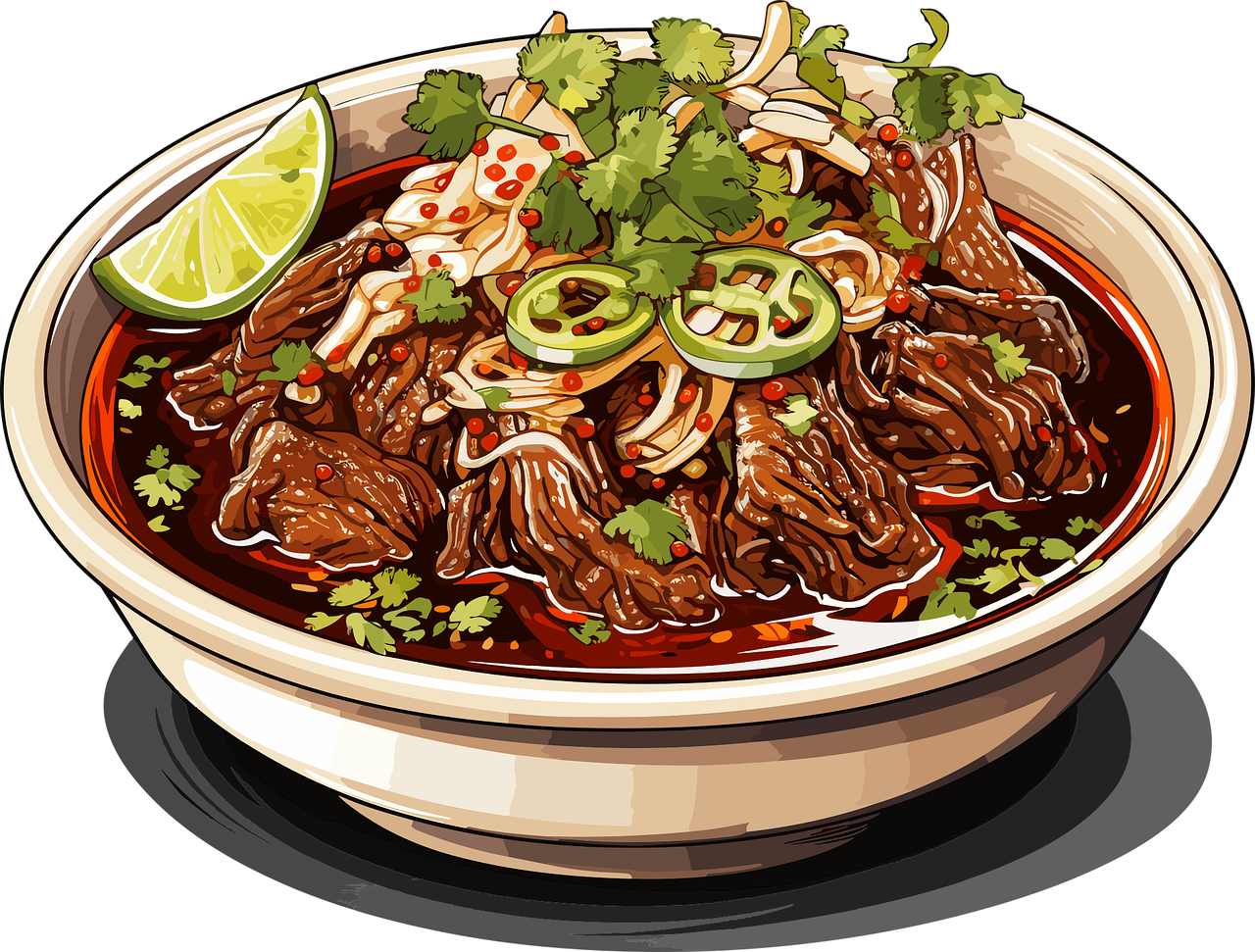
Though birria is commonly associated with Jalisco, the version found in Aguascalientes has earned its own loyal following. Traditionally made with goat meat (though beef is also common), the birria of Aguascalientes is slow-cooked in a thick, spicy adobo made of dried chiles, garlic, vinegar, cinnamon, and other spices. It’s then either served as a stew or stuffed in tacos, often with a side of consommé for dipping.
Unlike some neighboring states that lean toward heavier seasoning or smoked preparations, Aguascalientes birria often strikes a balance—bold and aromatic but with a slightly sweeter profile, likely due to local spice preferences.
3. Lechón al horno: A Festive Centerpiece
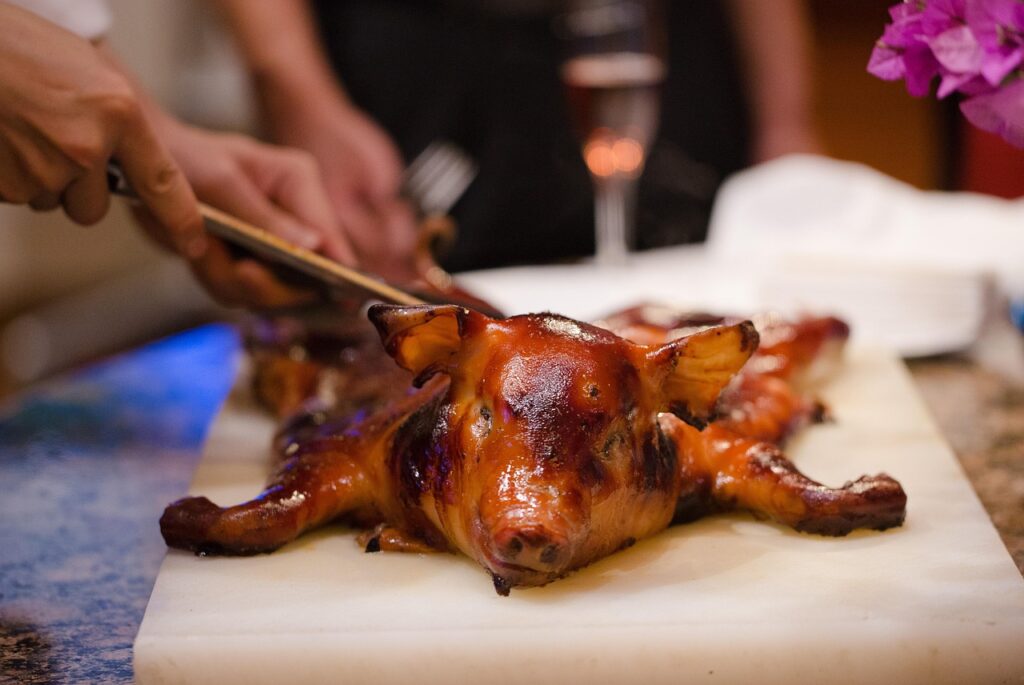
Lechón, or roasted suckling pig, is a showstopper dish especially popular during festivals, weddings, and holidays. In Aguascalientes, the preparation is particularly meticulous: the pig is marinated in a mixture of citrus juice, garlic, oregano, and achiote, then slow-roasted until the meat is fall-off-the-bone tender and the skin crackles like glass.
It’s served with warm tortillas, pickled onions, and fiery salsas, making for a communal feast that showcases the region’s love of celebration and food. What sets Aguascalientes’ lechón apart is its subtle acidity and fragrant, well-balanced spice blend—never too greasy, always unforgettable.
4. Enchiladas Aguascalentenses: A Spicy, Cheesy Treat
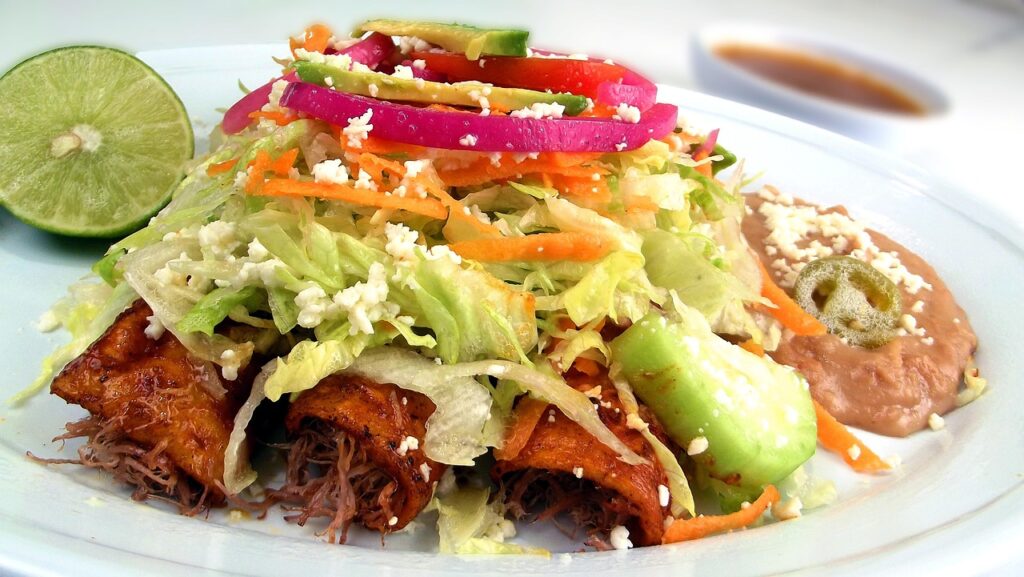
Every Mexican state seems to have its own take on enchiladas, and Aguascalientes is no different. Enchiladas Aguascalentenses are usually filled with potatoes, carrots, and ground meat, then doused in a rich, smoky red chile sauce. They’re typically topped with crumbled cheese, lettuce, and onions—simple, hearty, and deeply satisfying.
Unlike other regional enchiladas, which may use mole or green tomatillo sauces, the Aguascalientes version is notable for its earthy guajillo chile base, giving it a warming heat without overwhelming the palate.
5. Chile Aguascalientes: The State’s Signature Pepper Dish
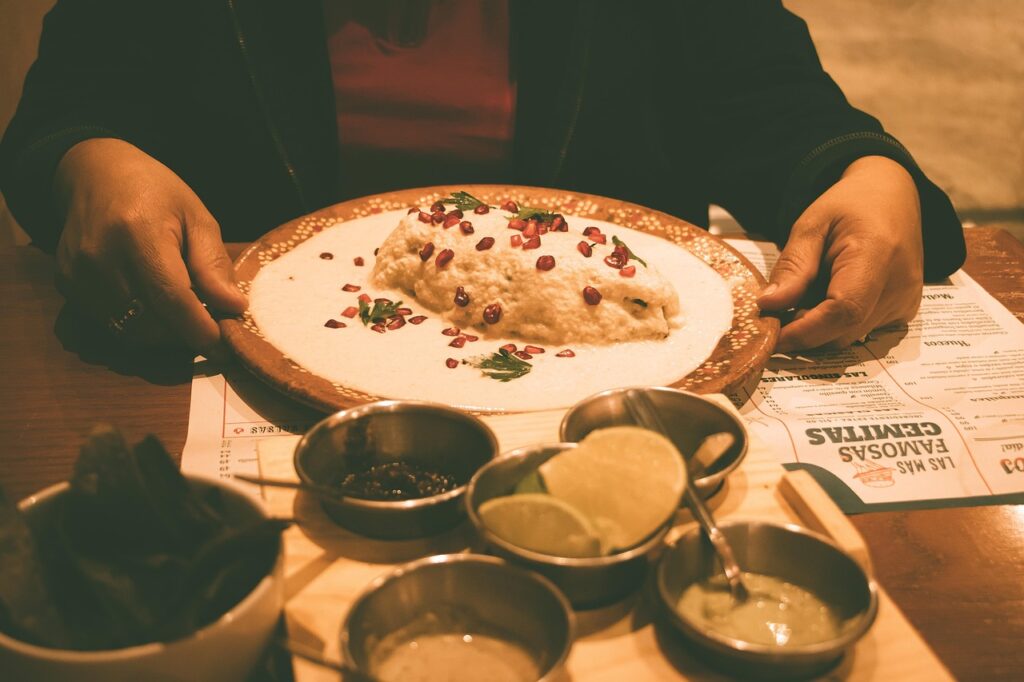
This dish is perhaps the most distinctive example of the region’s unique approach to traditional Mexican ingredients. Chile Aguascalientes uses long green peppers—sometimes poblanos or regional varieties—that are stuffed with ground meat, raisins, and nuts, then bathed in a tomato sauce and often served with rice.
It’s a cousin to chiles en nogada, but less sweet and more savory. The raisins offer a touch of sweetness without overpowering the dish, and the tomato sauce ties everything together with just enough acidity. It’s a celebration dish, typically served during fiestas patrias and religious holidays.
6. Carnitas de Puerco: A Local Art Form
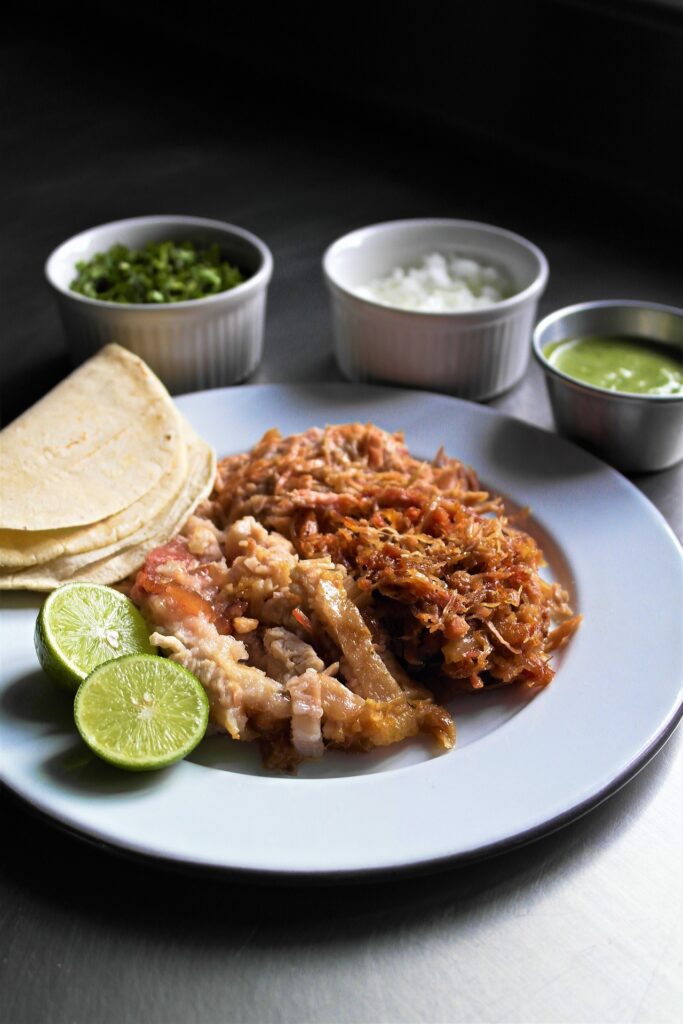
Pork carnitas are a national favorite, but the carnitas in Aguascalientes are something special. Prepared in large copper pots and often cooked with orange juice, garlic, and bay leaves, the pork is both succulent and crispy. Street vendors and restaurants alike offer their own versions, and there’s even debate about who does it best—Jesus María or Calvillo.
Served in tacos with chopped onion, cilantro, and a squeeze of lime, Aguascalientes-style carnitas are crisped to perfection, with each bite offering a blend of textures and a savory, citrus-kissed flavor that’s hard to beat.
7. Guayaba Culture: Calvillo’s Sweet Contribution
If Aguascalientes has a “fruit of the land,” it’s the guayaba (guava). The municipality of Calvillo is the guava capital of Mexico, producing the majority of the country’s supply. Naturally, the fruit shows up in many culinary forms: guava paste, candies, aguas frescas, liqueurs, and even savory sauces.
One of the region’s most beloved treats is rollo de guayaba, a type of guava jelly roll often eaten as a snack or dessert. There are also seasonal offerings like ponche de guayaba (a warm guava punch), especially around Christmas.
The guava industry isn’t just a source of pride—it’s a culinary anchor that adds a sweet, fragrant note to many of the region’s traditional and modern dishes.
8. Tacos de Aguascalientes: Simplicity Meets Flavor
Don’t underestimate the humble taco in Aguascalientes. Whether you’re enjoying tacos dorados (crispy rolled tacos), tacos de papa (potato tacos), or tacos al vapor (steamed tacos), the beauty is in the freshness of the ingredients and the care in preparation.
One local favorite is tacos de barbacoa, slow-cooked lamb or beef served with a bit of broth and garnished with fresh lime, salsa, and onion. They’re a common breakfast food here, especially on Sundays. Pair them with a hot cup of atole or café de olla, and you’ve got a complete local breakfast.
9. Traditional Drinks: From Pulque to Guava Liqueur
While tequila and mezcal are beloved across Mexico, Aguascalientes has its own drinkable treasures. Pulque, the ancient fermented agave drink, is still consumed in rural areas. It’s earthy, slightly sour, and packed with probiotics—definitely an acquired taste, but one with deep historical roots.
On the sweeter side, aguas frescas made from guava, tamarind, and lime are refreshingly omnipresent. Guava liqueur and rompope (a creamy, eggnog-like drink) are popular during holidays and special occasions.
The state is also investing in wine production, with vineyards offering tours and tastings—especially in the municipalities of Pabellón and Asientos.
10. Sweets and Panadería: The Hidden World of Aguascalientes’ Bakeries
You can’t talk about Aguascalientes’ culinary culture without mentioning its bakeries. The panaderías tradicionales are often family-owned and filled with the smell of cinnamon, vanilla, and freshly baked dough.
Local favorites include:
- Polvorones: Crumbly shortbread cookies.
- Pan de muerto: Prepared around Día de los Muertos, often infused with orange zest.
- Empanadas de guayaba: Flaky pastries filled with guava jam.
- Capirotada: A type of bread pudding made with cheese, raisins, nuts, and syrup, traditionally eaten during Lent.
These sweets reflect both Spanish influence and regional ingenuity, blending old-world techniques with local ingredients.
11. The San Marcos Fair: A Culinary Showcase
Every spring, the Feria Nacional de San Marcos transforms the state capital into a living, breathing food festival. Vendors from across Mexico and beyond come to Aguascalientes to share their culinary creations, but it’s the local fare that truly shines.
You’ll find everything from antojitos (street snacks) to multi-course gourmet meals. It’s the best time to try many of the region’s signature dishes in one place—often prepared by masters who’ve spent decades perfecting their craft.
12. Aguascalientes Today: Tradition Meets Innovation
As younger chefs and entrepreneurs embrace global trends, a new generation is modernizing Aguascalientes cuisine. Fusion restaurants, vegan interpretations of traditional meals, and gourmet twists on classics are gaining popularity. Yet, there’s a consistent thread of respect for heritage and ingredients.
Whether it’s a food truck serving birria ramen or a fine-dining spot offering mole with guava accents, the evolution of Aguascalientes’ food scene is a sign that the region’s cuisine is very much alive—and ready for a bigger spotlight.
Conclusion: More Than a Hidden Gem
Aguascalientes may be small in size, but its culinary traditions are vast, flavorful, and full of heart. From the crispy carnitas of Calvillo to the tangy bite of chile Aguascalientes, every meal tells a story of resilience, creativity, and love of land.
If you’re planning a culinary tour of Mexico, don’t skip this state. Whether you’re sampling street food, dining in a rustic hacienda, or sipping guava liqueur at sunset, Aguascalientes offers a sensory experience that’s every bit as rich and rewarding as more famous food capitals.
So next time someone asks you about Mexican cuisine, go beyond the usual suspects. Tell them about the birria, the lechón, the guava candies—and the beautiful, flavorful heartland that is Aguascalientes.
Traditional Recipes from Aguascalientes
To truly appreciate Aguascalientes’ culinary culture, there’s nothing like trying your hand at preparing a dish yourself. Below are two classic recipes that capture the soul of the region—one savory, one sweet.
Recipe 1: Enchiladas Aguascalentenses
These enchiladas are warm, spicy, and deeply comforting. With their guajillo chile sauce and hearty filling, they’re a favorite for family meals and local restaurants alike.
Ingredients:
For the Sauce:
- 5 dried guajillo chiles, stemmed and seeded
- 2 cloves garlic
- 1/4 small white onion
- 1/2 tsp cumin
- 1/2 tsp Mexican oregano
- Salt to taste
- 1 cup water (for blending)
- 1 tbsp vegetable oil (for frying sauce)
For the Filling:
- 2 medium potatoes, peeled and diced
- 2 medium carrots, peeled and diced
- 1/2 pound ground beef or shredded chicken (optional)
- Salt and pepper to taste
Other:
- 10 corn tortillas
- Vegetable oil for frying
- Crumbled queso fresco or cotija
- Shredded lettuce
- Sliced white onion
- Sour cream (optional)
Instructions:
- Cook the Filling:
Boil the potatoes and carrots in salted water until tender (about 10 minutes). Drain and set aside. If using ground beef, cook it separately with salt and pepper, then mix it with the vegetables. - Make the Sauce:
Soak the guajillo chiles in hot water for 10 minutes until softened. Blend with garlic, onion, cumin, oregano, and water until smooth. Strain the sauce if needed. - Cook the Sauce:
Heat a tablespoon of oil in a pan, add the blended chile sauce, and simmer for 5–7 minutes until thickened. Add salt to taste. - Fry the Tortillas:
Lightly fry each tortilla in oil for about 5 seconds per side. Drain on paper towels. - Assemble the Enchiladas:
Dip each tortilla in the warm sauce, fill with the vegetable (and meat) mixture, then roll up and place on a serving plate. - Garnish:
Top with lettuce, crumbled cheese, onions, and sour cream if desired.
Recipe 2: Rollo de Guayaba (Guava Jelly Roll)
Aguascalientes is the guava capital of Mexico, and this dessert showcases the fruit’s natural sweetness in a light, elegant pastry that’s perfect for celebrations or coffee breaks.
Ingredients:
For the Sponge Cake:
- 4 large eggs
- 3/4 cup granulated sugar
- 1 tsp vanilla extract
- 3/4 cup all-purpose flour
- 1/2 tsp baking powder
- 1/4 tsp salt
For the Filling:
- 1 cup guava paste or thick guava jam
- 1–2 tbsp warm water (to thin the paste if needed)
Topping (optional):
- Powdered sugar for dusting
- Fresh guava slices for decoration
Instructions:
Serve:
Dust with powdered sugar, slice, and serve with coffee or atole.
Preheat oven to 350°F (175°C). Line a 10×15-inch jelly roll pan with parchment paper and lightly grease.
Make the Sponge Cake:
Beat the eggs and sugar together on high speed for 5–7 minutes, until thick and pale. Add vanilla.
Sift in dry ingredients (flour, baking powder, salt) and gently fold them into the egg mixture using a spatula. Be careful not to deflate the batter.
Bake:
Spread the batter evenly into the prepared pan. Bake for 12–14 minutes or until the cake springs back when touched.
Roll the Cake (Pre-Roll Step):
Turn the cake out onto a clean kitchen towel dusted with powdered sugar. Remove the parchment, then gently roll the warm cake up (with the towel) from the short end. Let cool completely in this shape.
Add the Filling:
Unroll the cooled cake. Mix guava paste with a little warm water to make it spreadable if needed, then evenly spread it over the surface.
Final Roll:
Carefully re-roll the cake (without the towel). Trim the ends for a clean finish.
These recipes are more than just food—they’re edible stories, passed down through generations and tied to the land and culture of Aguascalientes.