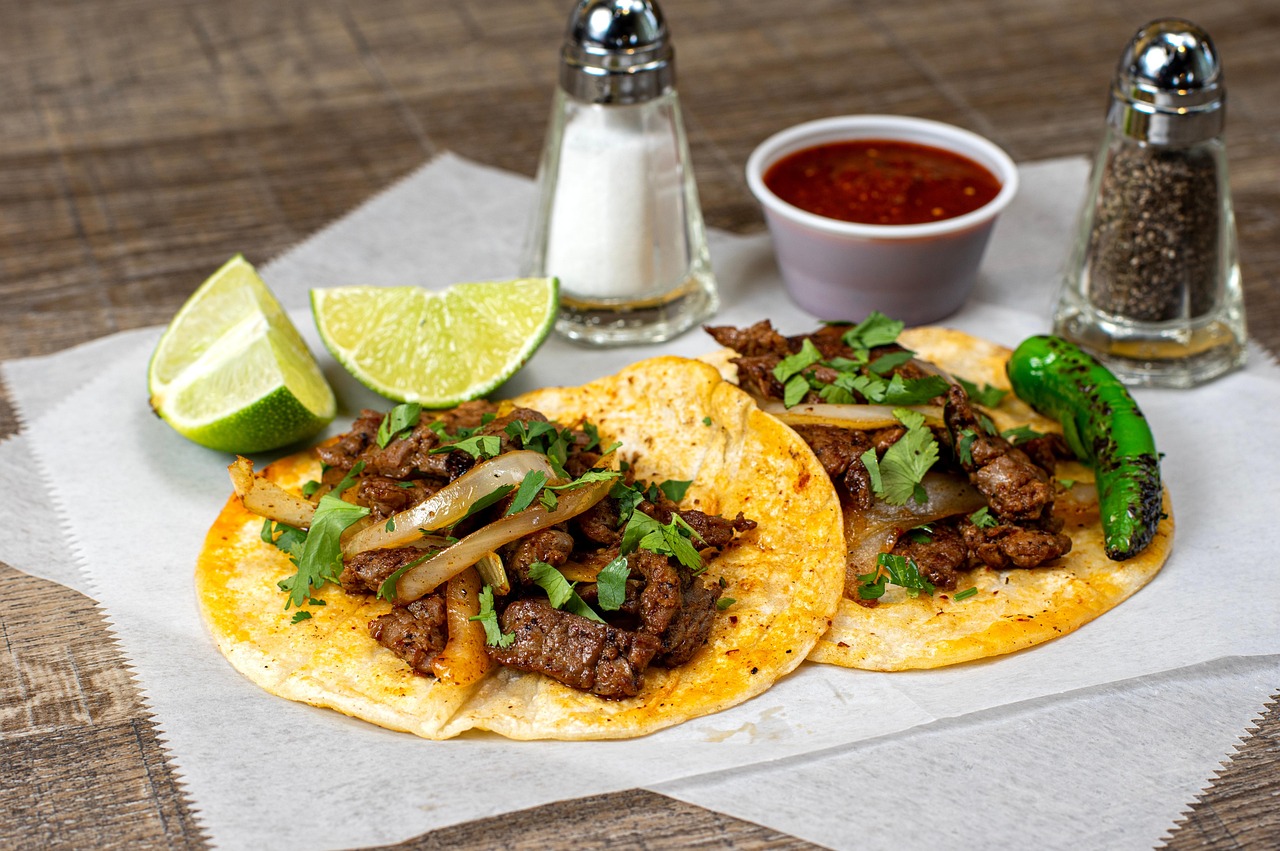
Fresh tortillas, rich salsas, and the warm aroma of slow-cooked beans—Mexican cooking draws people in with flavors that feel both familiar and new. It’s more than comfort food; every dish carries the tastes of ancient cultures and stories of celebration, family, and tradition. Mexican cuisine has shaped its own place on the world stage, recognized by UNESCO for its deep roots and unique blend of indigenous and Spanish influence.
This guide will walk you through the essentials: where Mexican cooking began, the simple techniques that give these recipes their bold taste, and the flavors that set each region apart. Whether you’re new to the kitchen or looking to explore real Mexican cooking at home, you’ll get practical tips and inspiration to make every meal special.
The Historical Roots of Mexican Cuisine
Mexican cooking celebrates centuries of tradition. From ancient civilizations to modern kitchens, every meal reflects a story of adaptation and creativity. The roots run deep, shaped first by Mesoamerican staples and then by waves of influence from Spanish colonizers. As you start to understand what makes each dish taste so distinct, you see the real story behind Mexican food: a blend of survival, celebration, and creativity rooted in the land.
Pre-Hispanic Staples: Corn, Beans, and Chiles

Photo by Mikhail Nilov
Long before Europeans set foot in the Americas, the people of Mexico mastered ways to grow, harvest, and use native ingredients. At the heart of their diet were three powerhouses:
- Corn (maíz): The backbone of daily meals. Tortillas, tamales, and atole all trace back thousands of years, thanks to ancient techniques like nixtamalization (a special way to prepare corn).
- Beans: Packed with protein and easy to store, beans provided a steady source of nutrition for Aztec, Mayan, and other Mesoamerican cultures.
- Chiles: These fiery peppers offered both flavor and natural preservation, coloring stews, salsas, and drinks.
Ancient Mexicans also gathered wild plants, fished, and hunted. They traded cacao, tomatoes, squash, and amaranth across long distances, creating a rich food culture that still shapes Mexico today. These foods are considered the core building blocks of Mexican cuisine, as shown by their continued presence in modern kitchens. For a deep dive into the roots of these traditions, check out this detailed overview on the Pre-Hispanic roots of Mexican cuisine.
Spanish Influence and the Birth of New Flavors
The Spanish conquest in the 1500s changed everything. With their arrival, new ingredients filled the markets: wheat, cattle, pigs, sheep, dairy, onions, garlic, and citrus. Techniques like baking and frying joined ancient methods. This collision of old and new led to:
- Bread and Wheat Tortillas: Wheat quickly became common, especially in northern Mexico where it grew easily.
- Meat Dishes: Beef stews, pork tacos, and chicken with mole sauce all sprang from this blend.
- Dairy: Cheese, cream, and lard added richness to both sweet and savory dishes.
Yet, instead of wiping out native foodways, Spanish elements fused with indigenous ones. This mix didn’t erase old flavors—it sparked creativity. Dishes like enchiladas, mole poblano, and churros are results of this meeting of worlds. To learn more about the impact of colonization, the article on the history of Mexican food culture offers a clear summary.
Evolution Through Regional Diversity
If you travel across Mexico, you’ll notice: every state, every city puts its spin on traditional recipes. Geography, local crops, and cultural history all play a part:
- Coastal areas: Fresh fish, shrimp, and octopus star in spicy ceviches and tacos.
- Central Mexico: Corn-based foods like tacos and sopes shine, often with strong flavors from local herbs.
- The Yucatán Peninsula: Mayan cooking is alive and well here, with citrus-heavy marinades, achiote, and slow-roasted pork (cochinita pibil).
- Northern Mexico: Wheat flour tortillas, beef, and cheese show Spanish and Indigenous influences blending seamlessly.
This local richness comes from centuries of change. Mexican food grew out of both necessity and celebration, with families teaching recipes through generations. Even within a single region, no two cooks make the same mole or salsa the same way. The wide variety of tastes and techniques is a living reminder of Mexico’s long, flavorful journey. For even more insight into regional and historical influences, see this useful introduction to Mexican food history.
Essential Techniques and Tools in Mexican Cooking
Mexican cooking stands out because of its balance between old methods and new touches. The tools and techniques found in Mexican kitchens do more than get the job done—they shape the flavors and textures that make every dish unforgettable. If you want to unlock the secret behind a perfect salsa or a pillowy tortilla, learning these basics is the first step.
Traditional Cooking Methods: Nixtamalization, Grilling, and Steaming
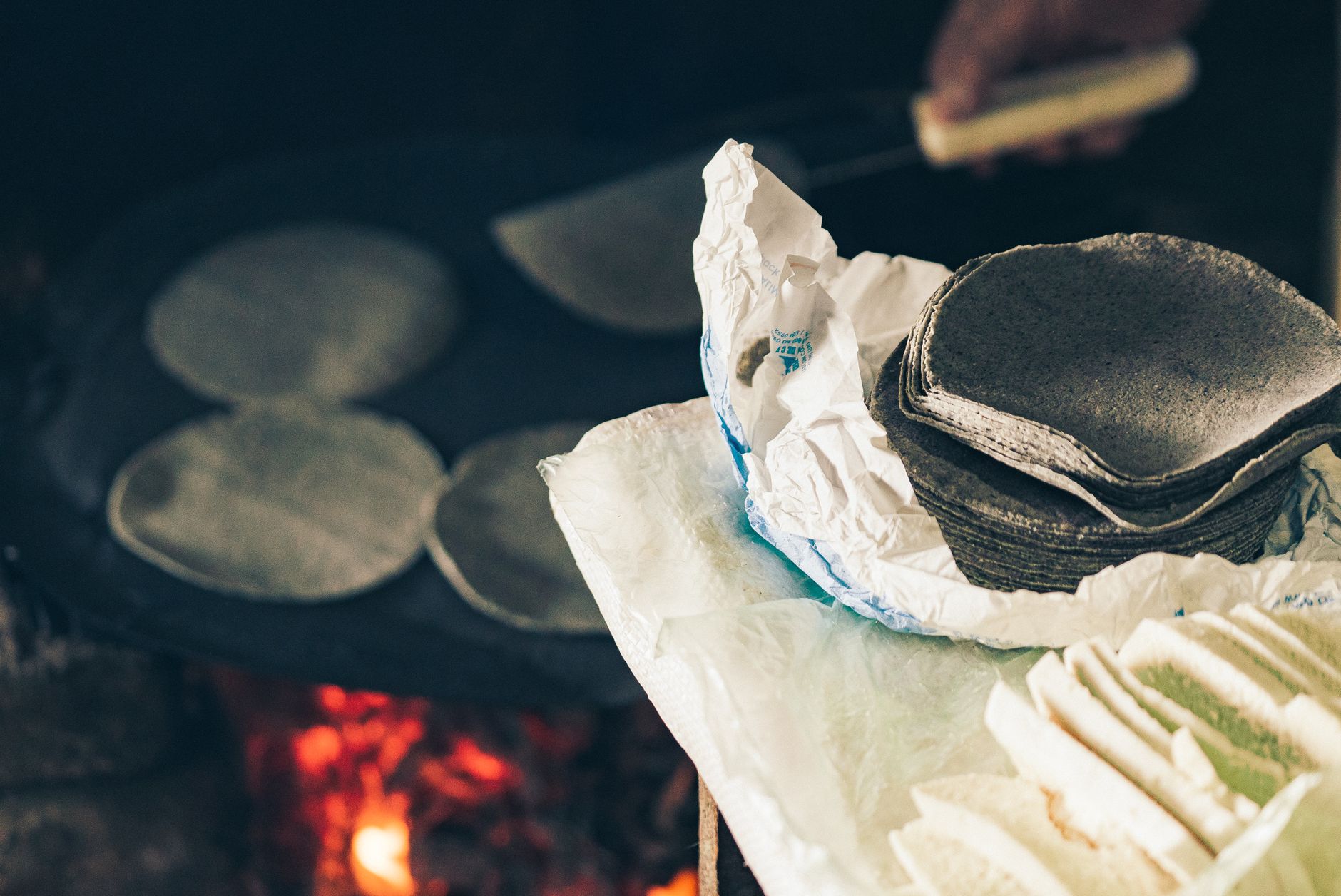
Photo by Los Muertos Crew
Mexican cooks use methods with deep roots that shape everyday meals. Some stand out for the way they transform simple ingredients into flavors you can’t forget.
- Nixtamalization: This process gives corn a soft bite and a subtle nutty flavor. Dried corn kernels soak in limewater, then get washed and ground. This ancient step unlocks nutrients and creates the right texture for tortillas and tamales.
- Grilling (Asado): A hot grill brings smoky depth to meat, fish, veggies, and even chiles. The fire leaves char marks and adds bold, rustic flavors. Street vendors across Mexico rely on this technique, serving up tacos that taste like home.
- Steaming (Vapor): Steaming keeps dishes moist and tender, preserving the pure taste of fresh ingredients. Tamales are wrapped in corn husks and steamed for hours, while certain puddings and desserts use steam for their creamy texture.
For a primer on how these techniques show up on your plate every day, the list of authentic methods from The Spruce Eats gives helpful detail.
Key Kitchen Tools: Molcajete, Metate, and Comal
The heart of a Mexican kitchen isn’t high-end gadgets—it’s a handful of simple, sturdy tools. Each one has a purpose, and together they let cooks build layers of flavor by hand.
- Molcajete: This volcanic stone mortar is a must for making salsa, guacamole, and spice pastes. The rough surface crushes seeds and chiles, unlocking oils and aromas no blender can match.
- Metate: Shaped like a tray with a rolling pin, this tool grinds corn for masa (dough) and can handle cacao beans for chocolate. Families pass these down for generations, their surfaces worn smooth by daily use.
- Comal: Think of it as a griddle, but it holds the soul of many Mexican dishes. Tortillas puff and brown on it, chiles roast, and spices toast to perfection. Few kitchen tools are more loved, or more relied on.
Want to see what these look like and how they work? Check this practical guide on 23 essential tools for Mexican cooking for photos and care tips.
Modern Adaptations in the Mexican Kitchen
While tradition runs deep, Mexican kitchens evolve. Today’s cooks blend old habits with smart, modern tricks but never lose what matters—flavor and togetherness.
- Blenders and Food Processors: While the molcajete is still loved, many families turn to blenders for speedy salsa and smooth sauces, especially on busy weekdays.
- Pressure Cookers and Instant Pots: Beans and stews that once took all day can now be ready fast. This swap lets home cooks fit classic meals into daily life without sacrificing taste.
- Induction and Electric Stoves: Some kitchens use clay comals over a flame, but many now cook on modern ranges. The result? Dishes stay true to their roots, just a little more convenient.
Curious to learn how modern chefs keep tradition alive while rethinking old favorites? This overview of modern adaptations in Mexican cuisine shares great examples of Mexican cooking’s creative side.
These techniques and tools reveal not just how food is made but why Mexican dishes are some of the most loved around the world. Dive in—you’ll discover that a good tool or old recipe is the start of every kitchen adventure.